LUANAR, GRÓ GEST and the Embassy of Iceland host workshop on ending violence through human rights advocacy
Posted: October 17, 2026 Posted By: Gift Mkwambisi
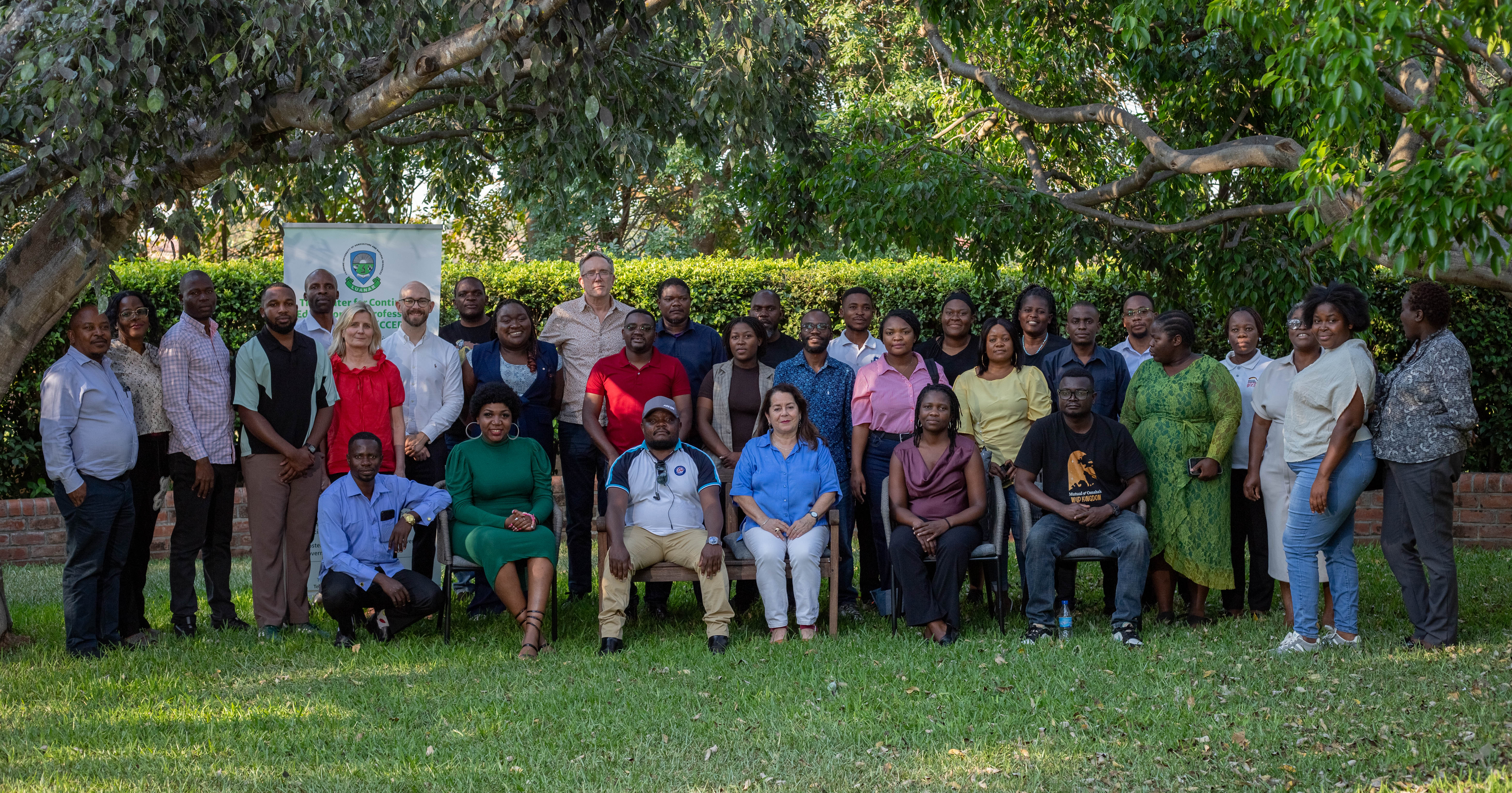
Lilongwe, Malawi: The Lilongwe University of Agriculture and Natural Resources (LUANAR), through its Centre for Continuing Education and Professional Development (CCEPD), joined GRÓ GEST and the Embassy of Iceland in hosting a three-day intensive workshop on Ending Violence through Human Rights Advocacy. The workshop took place at Ufulu Gardens in Lilongwe from 12th to 14th October 2026.
The workshop brought together 28 professionals from across Malawi. It formed the second phase of a blended-learning programme that began with an intensive online course. Participants were selected through a competitive application process and spent the preceding weeks examining the structural causes of violence, gendered power relations, masculinities, human-rights frameworks and strategies for social change.
Opening of the workshop
The workshop was officially opened by GRÓ GEST Director Prof. Irma Erlingsdóttir and Dr Tasokwa Kakota, Director of CCEPD at LUANAR. Both emphasised the importance of education, institutional cooperation and locally grounded approaches to addressing violence in Malawi.
Day 1: personal journeys and historical analysis
Facilitated by Dean Peacock, Angelica Pino and GRÓ GEST alumna Thelma Kaliu, the first day combined personal reflection, critical historical analysis and collaborative learning. Participants shared their journeys into human-rights advocacy and presented their proposed advocacy projects. They also explored how colonial legacies, political repression, economic inequality, land dispossession and other structural forces continue to shape violence in contemporary Malawi.
Working in seven thematic groups, participants built a collective historical timeline and then applied their insights to the Capstone Advocacy Plans they are developing throughout the programme.
Days 2 and 3: from analysis to action
Over the following two days, participants turned this analysis into concrete advocacy strategies, identifying opportunities to influence institutions, strengthen accountability and bring about meaningful change in their communities.
One promising Capstone initiative will have the opportunity to receive USD 6,000 in seed funding to support its implementation.